
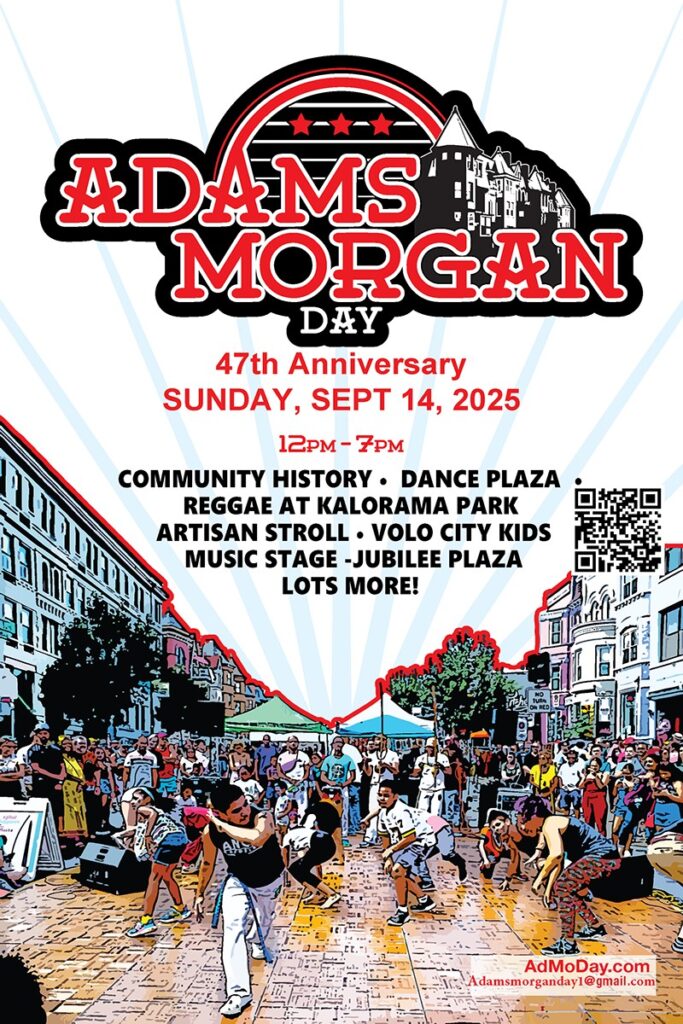
Adams Morgan Day has long stood as one of Washington, D.C.’s most cherished neighborhood traditions. In its heyday, the festival spanned from Columbia Road to U Street and down Belmont, fully embracing the multicultural vibrancy that defines Adams Morgan. Two main stages once anchored the event—one at Columbia Road and another at U Street drawing crowds for live performances that ranged from go-go and salsa to indie rock and reggae. A jazz stage nestled in Kalorama Park offered a more relaxed, soulful counterpoint, allowing festivalgoers to move freely through a city-within-a-city celebration of art, food, and community.
In contrast, the current version of Adams Morgan Day feels drastically reduced in scope and spirit. This year’s event was confined mostly to the grounds near Marie Reed Elementary School, the experience felt more like walking through a crowded flea market than attending a culturally rich street festival. Gone are the wide-ranging stages, the music echoing from block to block, and the spontaneous energy of people dancing and moving through the streets. The geographic limitations seemed to compress the energy rather than concentrate it, and the result was a festival that felt flat and uninspired.
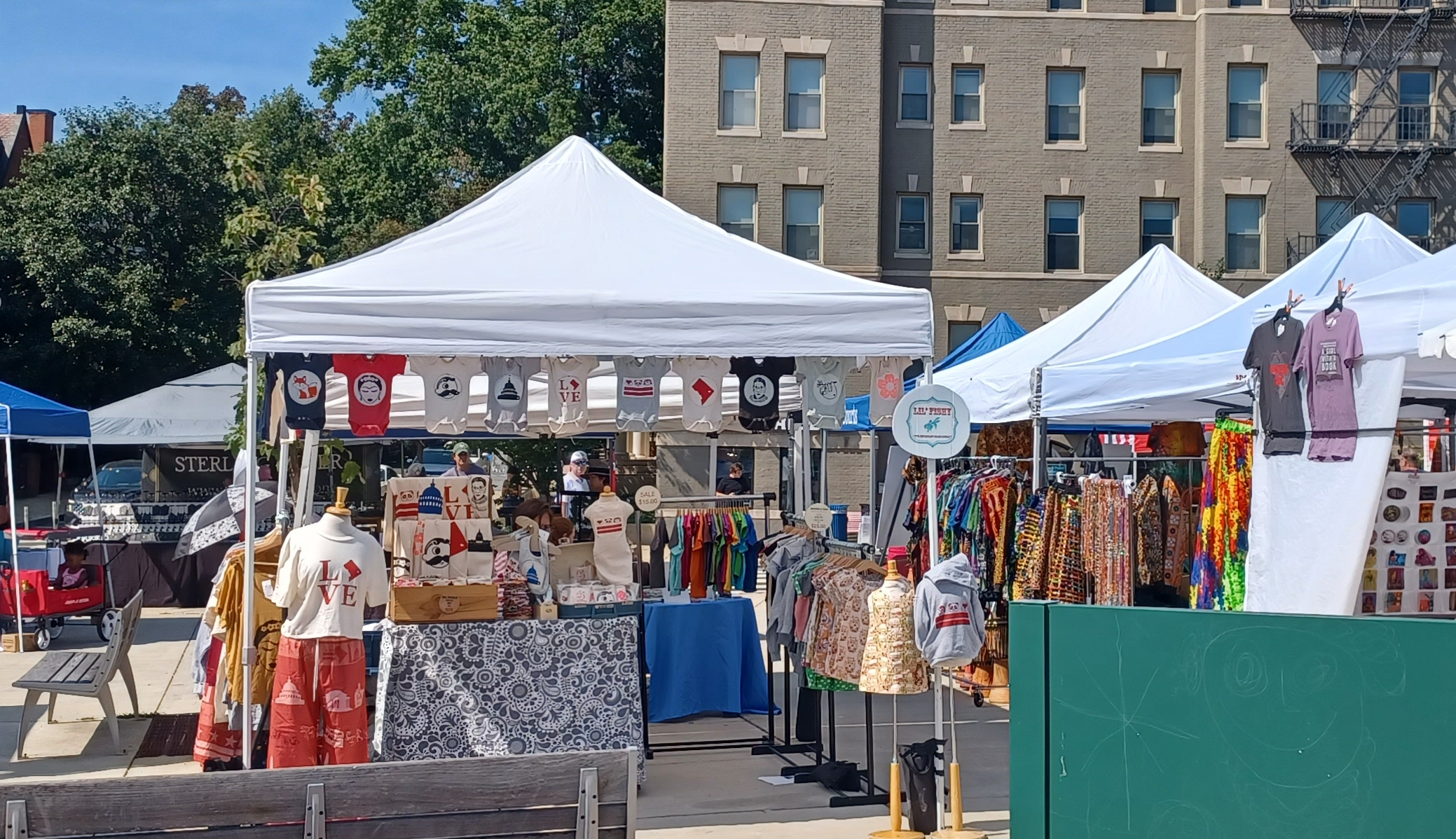
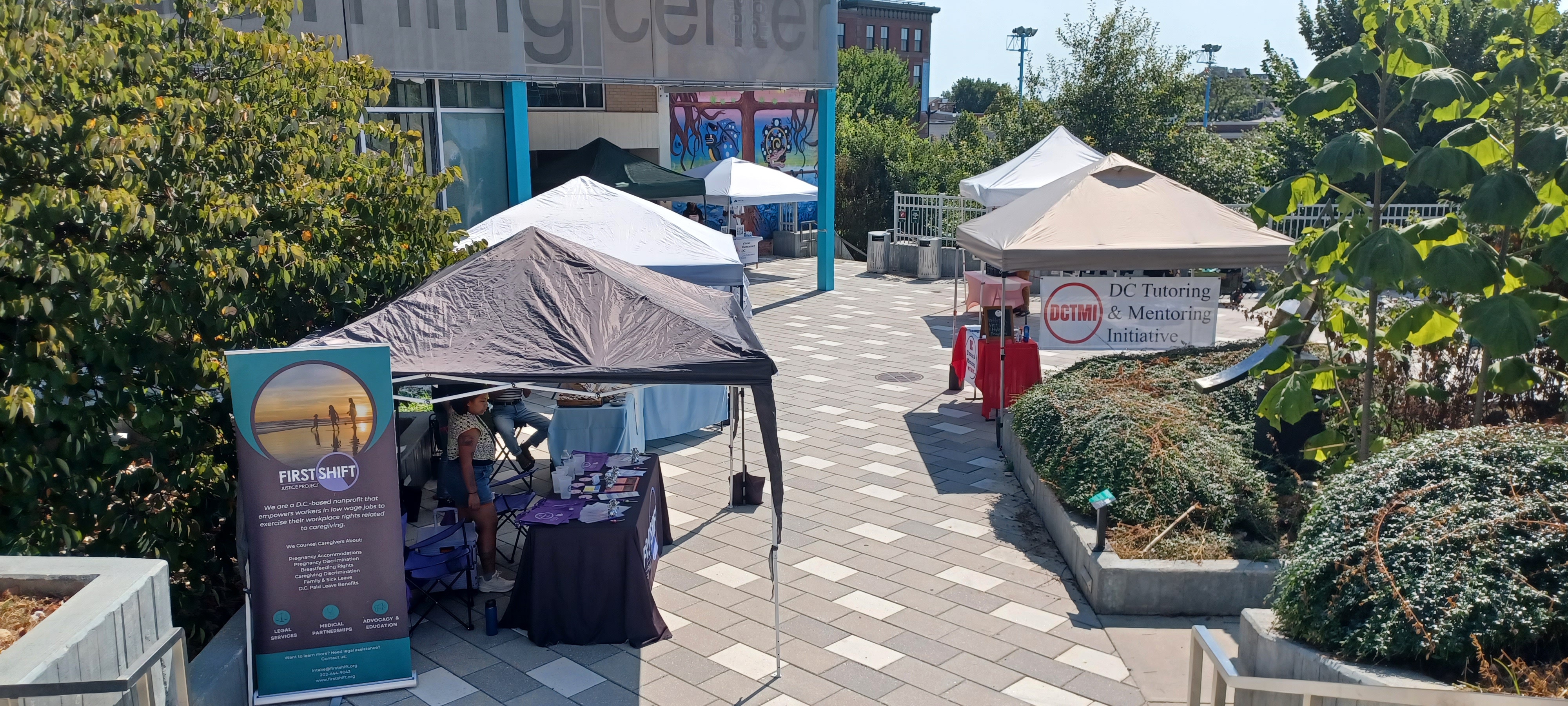
The shift in focus from performance and culture to merchandise and vendors was especially disappointing. While there’s value in supporting local artisans and small businesses, the sheer number of vendor booths, most selling crafts, candles, and mass-produced items left little room for the kind of immersive cultural experiences that once defined the event. The festival has clearly leaned into a market-first model, but in doing so, it has sacrificed the very elements that made Adams Morgan Day special.
What’s perhaps most frustrating is that the potential for something more still lingers. The neighborhood remains vibrant and diverse, and the streets though now quieter could easily host stages again if organizers prioritized cultural programming. There was a clear absence of musical presence this year; no jazz at Kalorama Park, no dance stages spilling into the street, no major performances to anchor the day. Without these, the festival feels like a hollow version of its former self.
In the end, this year’s Adams Morgan Day left much to be desired. For longtime residents and returning visitors who remember the festival as a sprawling, joyful celebration of community, art, and sound, this latest iteration was underwhelming at best. While it’s understandable that budget constraints and logistical challenges have changed how the event is organized, what remains is little more than a vendor fair. If Adams Morgan Day is to recapture its former glory, it must return to its roots, investing in music, performance, and the diverse cultural heritage that first gave it life.


 Promethean Fundraising